
What carries are
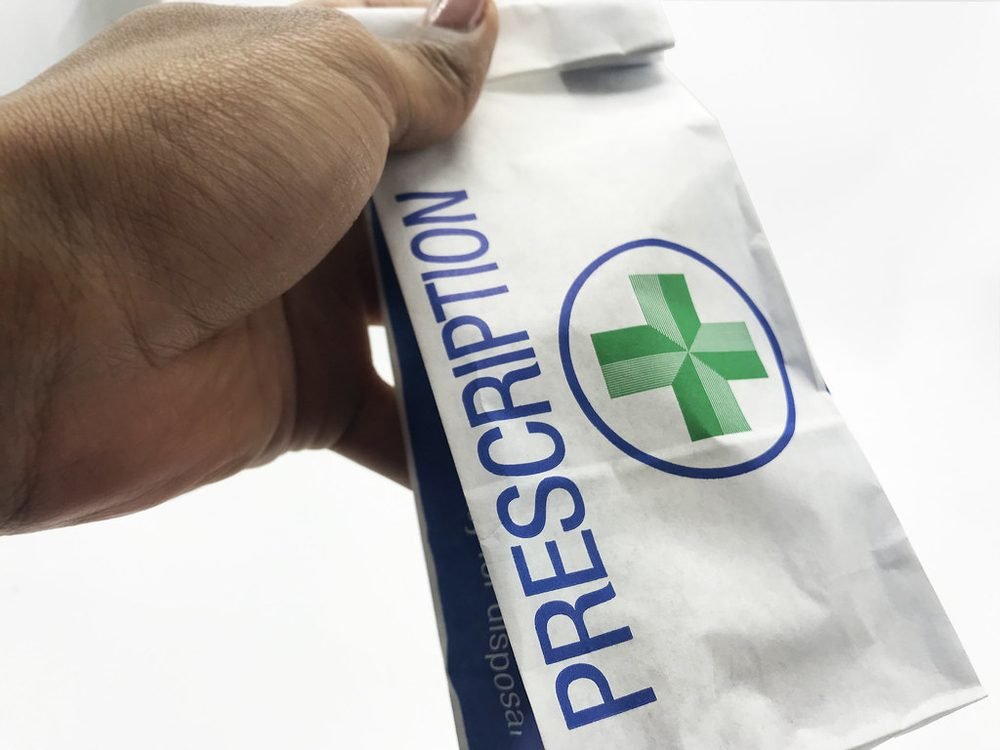
A carry is a dose you take home rather than take in front of a pharmacist. For most people they are the moment treatment stops being the organising fact of the week. Daily witnessed dosing means a pharmacy visit every single day, including the days you are ill, the days you are working and the days you are travelling. Carries end that.
Because they matter so much, they generate more anxiety and more misinformation than any other part of treatment. The most common belief we encounter is that carries are a reward for good behaviour that clinics hand out grudgingly. That is not how the decision is framed.
What the decision is actually based on
The question is whether a supply of medication at home is safe, for you and for the people around you. Provincial guidance sets out what to weigh, and clinicians apply it to your situation:
- A settled dose. If your dose is still being adjusted, it is too early. This alone accounts for most of the wait.
- Drug screens consistent with your plan. Not necessarily clean screens. Consistency with what you and your prescriber have agreed.
- Reliable attendance. Regularly missed doses signal a risk of medication accumulating unused, which is a safety problem.
- Somewhere safe to store it. A locked container and a stable place to keep it. This is often the practical sticking point.
- Who else is in the home. Children, or another person with untreated substance use, changes the calculation. It rarely rules carries out, but it raises the bar on storage.
Note that none of these is about deserving. Every one is about what happens to a bottle of methadone sitting in a kitchen.
How long it usually takes
It depends heavily on the medication. With Suboxone, carries often begin within the first week or two, because the ceiling effect makes the risk profile very different. With methadone, expect longer. A common pattern is a first single carry once your dose has been stable for a period, then gradual expansion to two days, then a weekend, and onward.
Nobody can give you a precise date at your first appointment, and you should be cautious of anyone who does. What we can tell you is what specifically is standing between you and the next step, and that is a fair question to ask at every appointment.
Storing medication safely
This is the part patients underestimate and it is the part that most often delays approval.
A single carry of methadone is enough to kill a child or an adult with no opioid tolerance. It needs to be locked, out of sight and out of reach, and it needs to stay in the pharmacy bottle with the label intact. A small lockbox costs very little and resolves the issue entirely. Ask us and we can often help you get one.
Never store it in a fridge door, a bedside drawer or a bag left in a shared space. Never move it into a different container. If a carry is lost or stolen, tell us immediately rather than waiting for the next appointment, because replacing a dose safely requires a conversation and quietly going without is dangerous.
Why carries get paused
Carries are reviewed continuously, not granted permanently, and they can be scaled back. This is not intended as punishment, though we recognise it can feel that way. Common reasons include a period of instability, drug screens that suggest the current plan is not holding, a change in living situation, several missed appointments, or a lost or diverted dose.
If your carries are reduced, ask two questions: what specifically prompted it, and what needs to happen to restore them. Both should have clear answers. A reduction is usually temporary, and it is far better to work through it than to disappear from treatment over it.